Ceiling Removal Service in Denver County, CO
Ceiling removal services involve the careful demolition and removal of existing ceilings to prepare for renovations, upgrades, or repairs. This process is commonly requested for projects such as removing popcorn ceilings, updating old or damaged drywall, or creating open-concept spaces. Property owners typically want to understand the scope of work involved, including the potential for dust, debris, and the need for subsequent wall or ceiling repairs, to ensure the project aligns with their renovation plans.
Before requesting ceiling removal, homeowners should consider the structural aspects of their ceilings, such as the presence of insulation, wiring, or plumbing that may impact the removal process. It’s also important to evaluate whether the ceiling contains hazardous materials like asbestos, which may require special handling. Clear communication about the existing ceiling type and desired outcomes can help ensure the project proceeds smoothly and meets property owners’ expectations.
Many property owners in Denver County, CO look into Ceiling Removal Service for repairs, replacements, upgrades, and appearance-related improvements.
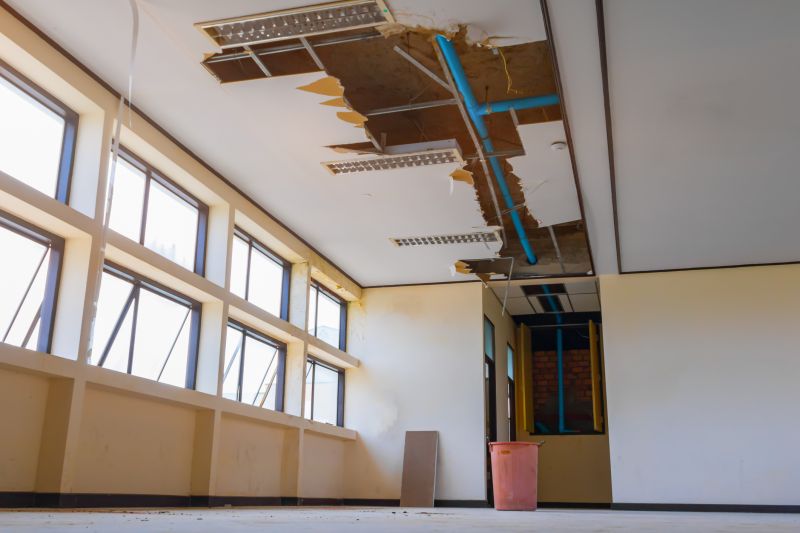
Ceiling Removal Options
Different ceiling removal methods suit various renovation needs and styles.
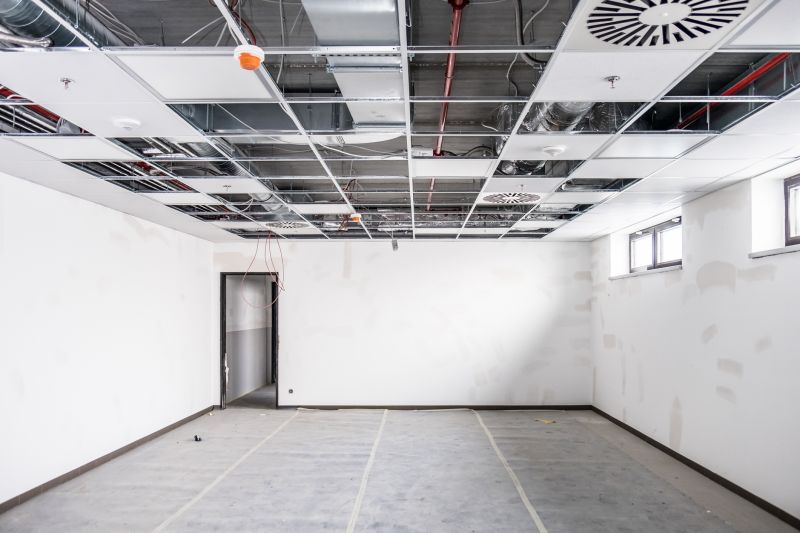
Common Projects
Ceiling removal is often requested for basement finishes, room updates, or to improve lighting.
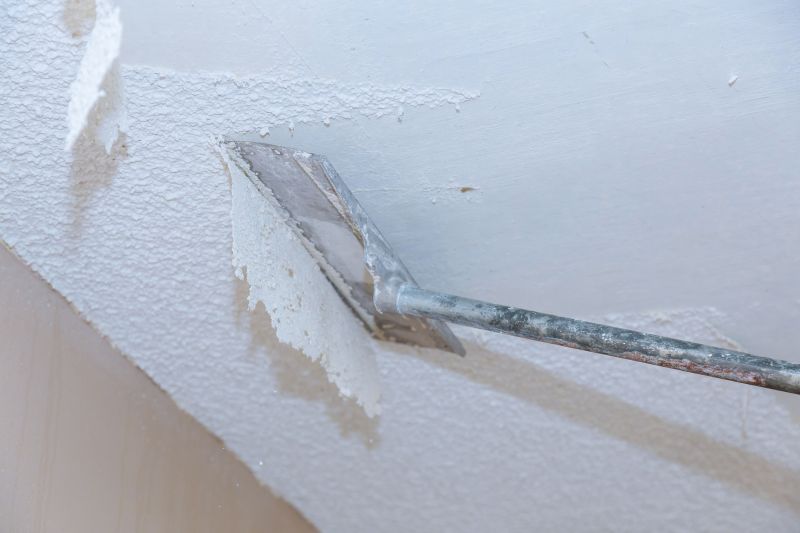
Property Considerations
Understanding structural elements and potential hazards is important for safe ceiling removal in denver county, co.
Ceiling Removal Service in Denver County, CO

Ceiling removal services involve the careful demolition and removal of existing ceilings to prepare for renovations, upgrades, or repairs. This process is commonly requested for projects such as removing popcorn ceilings, updating old or damaged drywall, or creating open-concept spaces. Property owners typically want to understand the scope of work involved, including the potential for dust, debris, and the need for subsequent wall or ceiling repairs, to ensure the project aligns with their renovation plans.
Before requesting ceiling removal, homeowners should consider the structural aspects of their ceilings, such as the presence of insulation, wiring, or plumbing that may impact the removal process. It’s also important to evaluate whether the ceiling contains hazardous materials like asbestos, which may require special handling. Clear communication about the existing ceiling type and desired outcomes can help ensure the project proceeds smoothly and meets property owners’ expectations.
Many property owners in Denver County, CO look into Ceiling Removal Service for repairs, replacements, upgrades, and appearance-related improvements.
Common Ceiling Removal Service Jobs
Ceiling removal for renovations - simplifies space updates during remodeling projects.
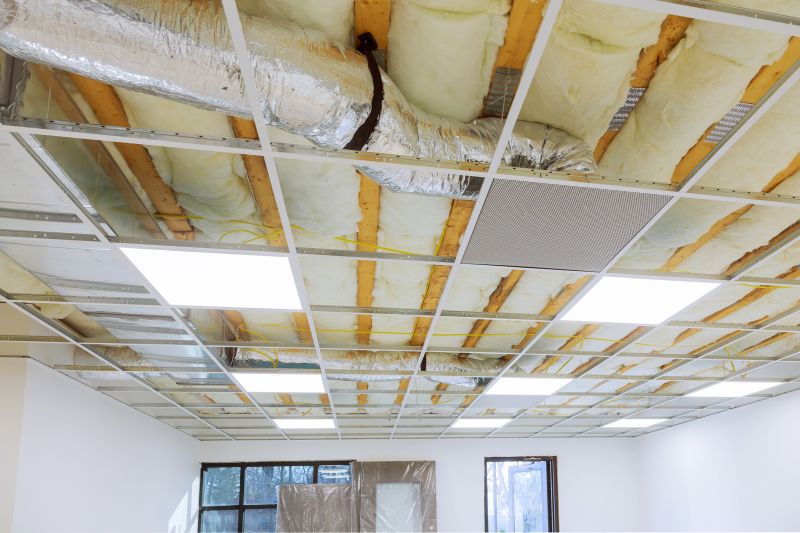
Suspended ceiling removal - clears outdated or damaged drop ceilings efficiently.
Asbestos ceiling removal - safely eliminates hazardous materials from older ceilings.
Popcorn ceiling removal - transforms textured ceilings into smooth, modern finishes.
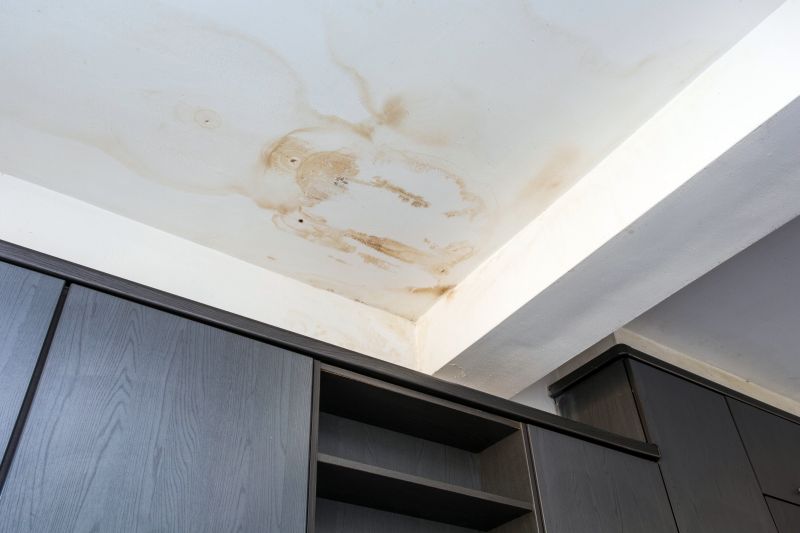
Ceiling replacement for water damage - restores ceilings affected by leaks or flooding.
Chandelier or fixture removal - prepares ceilings for new lighting installations or upgrades.
Ceiling Removal Service Questions
What types of ceilings can be removed? Ceiling removal services typically handle drywall, popcorn, and suspended ceilings based on the project needs.
Is ceiling removal suitable for remodeling projects? Yes, ceiling removal is often part of renovation or remodeling to update or redesign interior spaces.
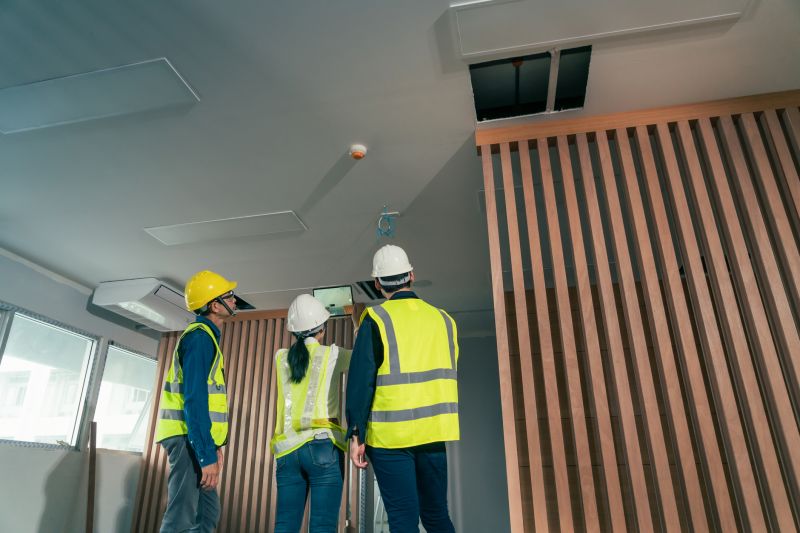
What should property owners consider before ceiling removal? It's important to assess the ceiling type, underlying structures, and any potential impact on electrical or plumbing systems.
Can ceiling removal improve interior space or lighting? Removing ceilings can create a more open feel and allow for better lighting options in a room.
Request Ceiling Removal Service in Denver County, CO
Use the quote form on this page to share the basics of your project and request more information for the type of work you need.